
Older furniture often ends up in a storage unit at one point or another. Knowing how to store it properly can be the difference between saving an antique piece of furniture and ruining it. Only some storage units can store furniture in a way that keeps it safe against damage.
Furniture can be stored in a storage unit if the furniture is cleaned, protected against damage, and kept in a temperature-controlled space. Storing furniture improperly in a storage unit can cause damage such as scratches, rust, water damage, and other problems.
Learning how to store furniture properly is a great skill to have, especially if you plan to collect antiques or guard your family heirlooms against damage. Read on to learn more about how to store furniture properly in a storage unit.
How to Store Furniture in a Storage Unit
Throwing furniture in a storage unit without planning can damage it. In the best-case scenario, this means the furniture may need to be repaired or refurbished post-storage. At worst, improper storage can render a piece of furniture worthless. A good example of this is rodent infestation.

These are the steps you should take to store furniture properly in a storage unit:
Preparing Furniture for Storage
The type of preparation you do for furniture before you put it in storage is dependent on the kind of furniture it is. All furniture should be thoroughly cleaned before going into storage to help deter water damage and rust. You may also have to disassemble larger pieces of furniture to help it fit more easily. Disassembly also makes it easier to lift.
Wrapping Furniture for Storage
Wooden furniture, and fragile surfaces on furniture, need to be wrapped with a protective layer. This helps prevent furniture from being damaged, and it acts as an extra layer of protection against the environment.

Arranging Furniture in Storage
Furniture should be stored in a storage unit in such a way that it can’t go toppling down and so that heavier pieces are secured. Storage units should be large enough to provide plenty of space without furniture being crowded together. Crowding can increase the risk of damage when furniture is moved in and out of storage.
Furniture survives much better in storage if it is stored properly. If it isn’t stored correctly, chances are it may be too damaged to use when someone goes to pull it out again.
What to Look for in Furniture Storage Units
Not only do you need a storage unit that is temperature-controlled and secure, there a few other aspects of a storage unit that you must consider.

Here are some things you can look for when trying to decide which storage unit to choose for your furniture:
- Temperature control: Temperature control is by far the most important thing to look for in a storage unit when storing furniture. Temperature control keeps furniture from being damaged by extreme temperatures. It also prevents the condensation of humidity that leads to water damage.
- Ultraviolet control: Plastics and fabrics in furniture can become faded by exposure to ultraviolet light, so look for a furniture storage unit that keeps your items stored in the dark. This prevents ultraviolet exposure, and it also helps to keep the temperature lower.
- Plenty of space: Storage units can be pricey, but if you’re storing furniture in a storage unit, it’s a good idea to rent or purchase a bit more space than you think you’ll need. This will give you enough space in the unit to set up pathways. It also allows furniture to be placed far enough apart that scuffs and scratches are less likely to occur.
- Security: When choosing a storage unit for your furniture, make sure it has plenty of security measures such as gate keypads and closed-circuit security cameras. These measures can help prevent thieves from breaking in and stealing expensive antique furniture.
- Location and operating hours: This is a matter of convenience, but choosing a storage unit that is close to home and has extended operating hours makes it easier to access your furniture in storage when you need it.
Be sure to choose the right storage unit to store your furniture. That way, you’ll never have to worry about taking furniture out of storage only to end up putting it out to the road due to damage.
Is it Safe to Store Furniture in a Storage Unit?
It is safe to store furniture in a storage unit if the storage unit is temperature-controlled and secure against invasion from wildlife in the environment. Without these two aspects of proper storage, furniture in storage can be damaged by the following factors:
- Condensation
- Ultraviolet light
- Humidity
- Rodents
- Insects
- Mold and mildew

It is possible to store furniture in storage areas that aren’t temperature controlled. However, it’s much more difficult to keep furniture in good condition in these storage areas compared to a storage unit with working temperature and humidity control.
Condensation and humidity are incredibly hard on furniture that is made of wood and metal. Exposure to water can lead to oxidation and rusting in metal furniture. The wood in wooden furniture can be warped and discolored by moisture.
Along with water damage, furniture that is kept in storage can be subject to intense temperature fluctuation. These fluctuating temperatures can contribute to accelerated dry rot in both plastic and wood furniture pieces.
Does Furniture Get Ruined in Storage?
Many people have heard horror stories of expensive or heirloom furniture getting ruined in storage. This can happen if the furniture is stored improperly. Here are some of the ways that furniture can get destroyed in a storage unit:
- Rust: Metal furniture in storage can contract rust if it is exposed to condensation or humidity, especially if the surface of the metal is scratched or damaged.
- Insect infestation: Furniture that is stored in areas outside of a secure storage unit is subject to being infested with a range of different insects that can damage it. Common infestations in storage include moths and bed bugs, especially if the furniture is not clean.
- Rodent infestation: Rodent infestations can be devastating to furniture in storage. Mice and rats love to chew furniture materials up to line their nests. They also stain furniture with urine and feces, which are biohazards, effectively ruining it.
- Water damage: Water damage in storage results from humidity and can lead to warping, stains, discoloration, and mold damage in stored furniture.
- Temperature damage: High temperatures tend to be more destructive to furniture than cold temperatures. However, the fluctuation between the two can cause furniture to warp and become brittle. This is especially true of wood and plastic.
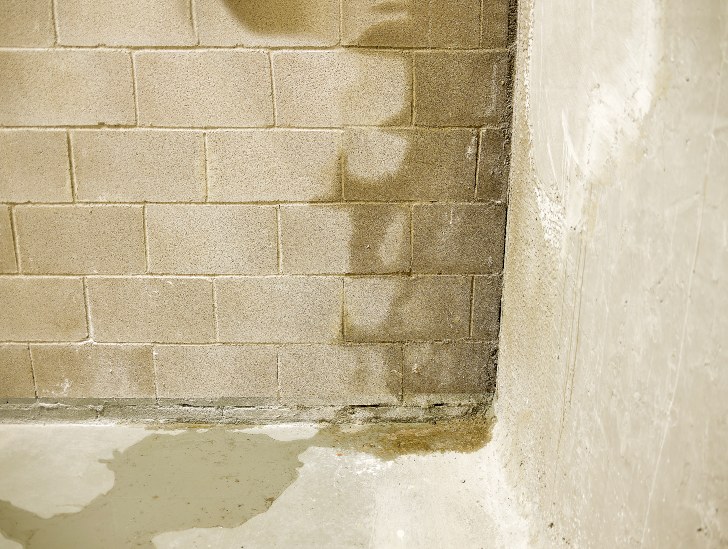
Making sure to get a quality storage unit and preparing furniture properly before storage can ensure that your furniture retains its original condition.
Tips for Storing Furniture in a Storage Unit
If you’re planning on putting furniture up in storage, there are a few tips you can follow to make the process less frustrating. These tips can also help to preserve the quality of your furniture.
- Oil and wax wooden furniture with wood polish before placing it in storage. Polishing wooden furniture before storage can help cover it with a protective layer to repel any humidity in the air. This can ensure that the wood is not affected by water damage.
- Put dust covers on fabric-covered furniture. These covers can help prevent rips or other damage. They can also help keep the furniture’s fabric clean in long-term storage.
- Put bumpers on sharp corners of furniture. This can prevent them from being dented or gouged if they get knocked against something else in the storage unit. It can also prevent these sharp corners from causing scratches or damage to other pieces in the unit.
If you take the extra time to make sure your furniture is stored properly, you can prevent a lot of damage that reduces its value and appearance.
Proper Storage Protects Furniture
Furniture is one of the few family heirlooms that can become a valuable antique over time with the proper care, so storage is critical. Keeping furniture in storage in tip-top shape means making sure that it’s prepared before it goes into storage. The storage unit you choose also plays a large role in protecting your furniture from the environment.